
Student Syndrome isn’t a character flaw. It’s the tendency to delay a task until the last possible moment, and it silently erodes performance in exactly the environments that depend on flow.
In many organizations, the best-laid plans get derailed by a well-known but poorly addressed pattern. Coined in project management, Student Syndrome describes teams starting work as late as they can get away with, producing rushed output and avoidable stress. In Lean environments built on continuous improvement, pull systems, and waste reduction, that behavior doesn’t just slip through unnoticed. It quietly undoes the whole model.
Where Student Syndrome Collides With Lean Thinking
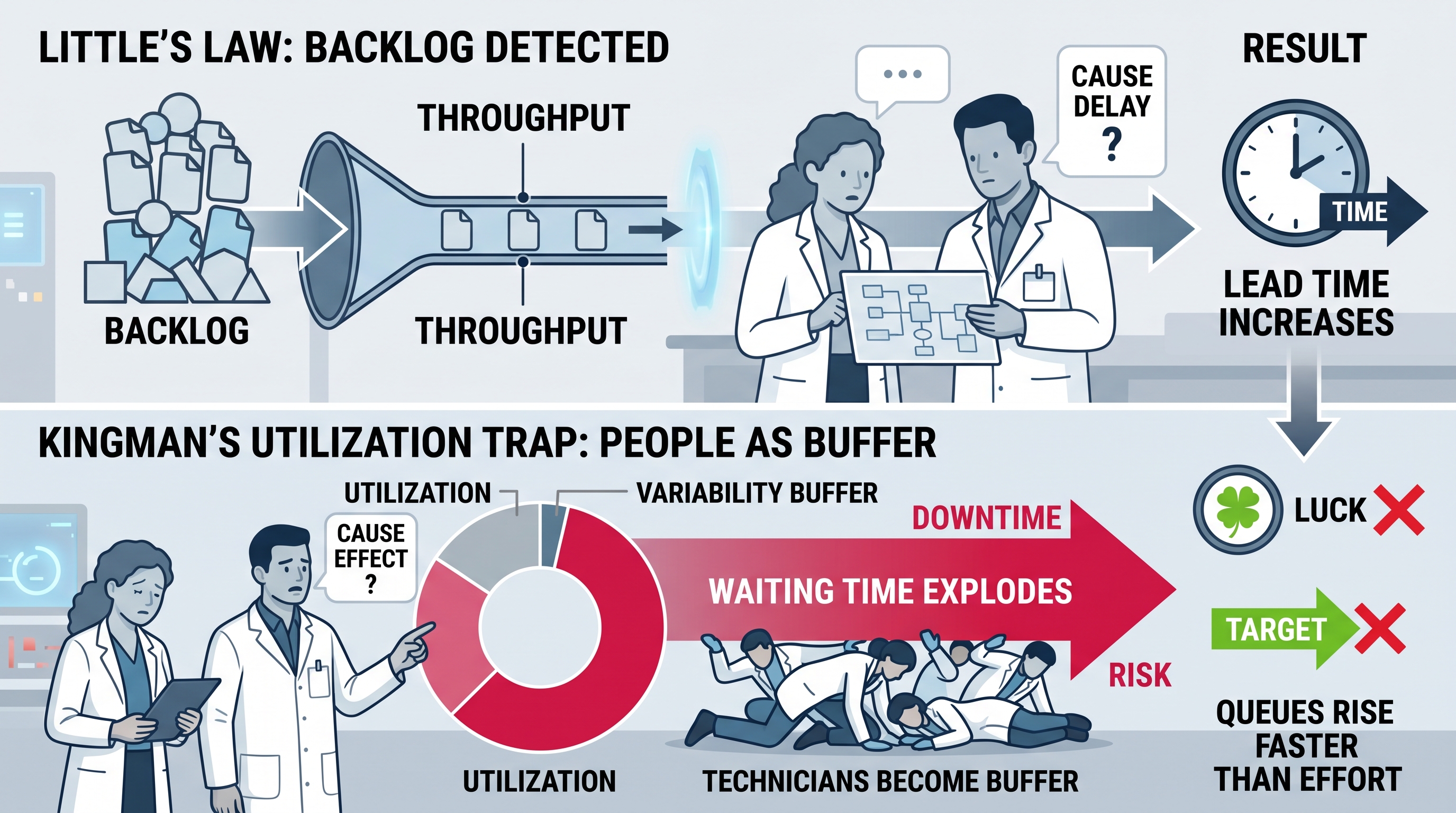
Delaying work until a deadline approaches creates bottlenecks, overburdened resources, and inconsistent throughput, the exact opposite of what Lean is supposed to produce. Teams look busy right up until the deadline, but value creation stalls. The real problem isn’t procrastination itself. It’s the absence of visibility, focus, and accountability that lets procrastination go unnoticed until it’s too late to fix.
From Firefighting to Flow
Teams that consistently wait until the last minute live permanently in firefighting mode. Work gets rushed instead of executed with intention, and the stress compounds week over week. The fix isn’t asking people to try harder. It’s building a system where late starts become visible before they become a crisis.
How q_alizer Breaks the Cycle
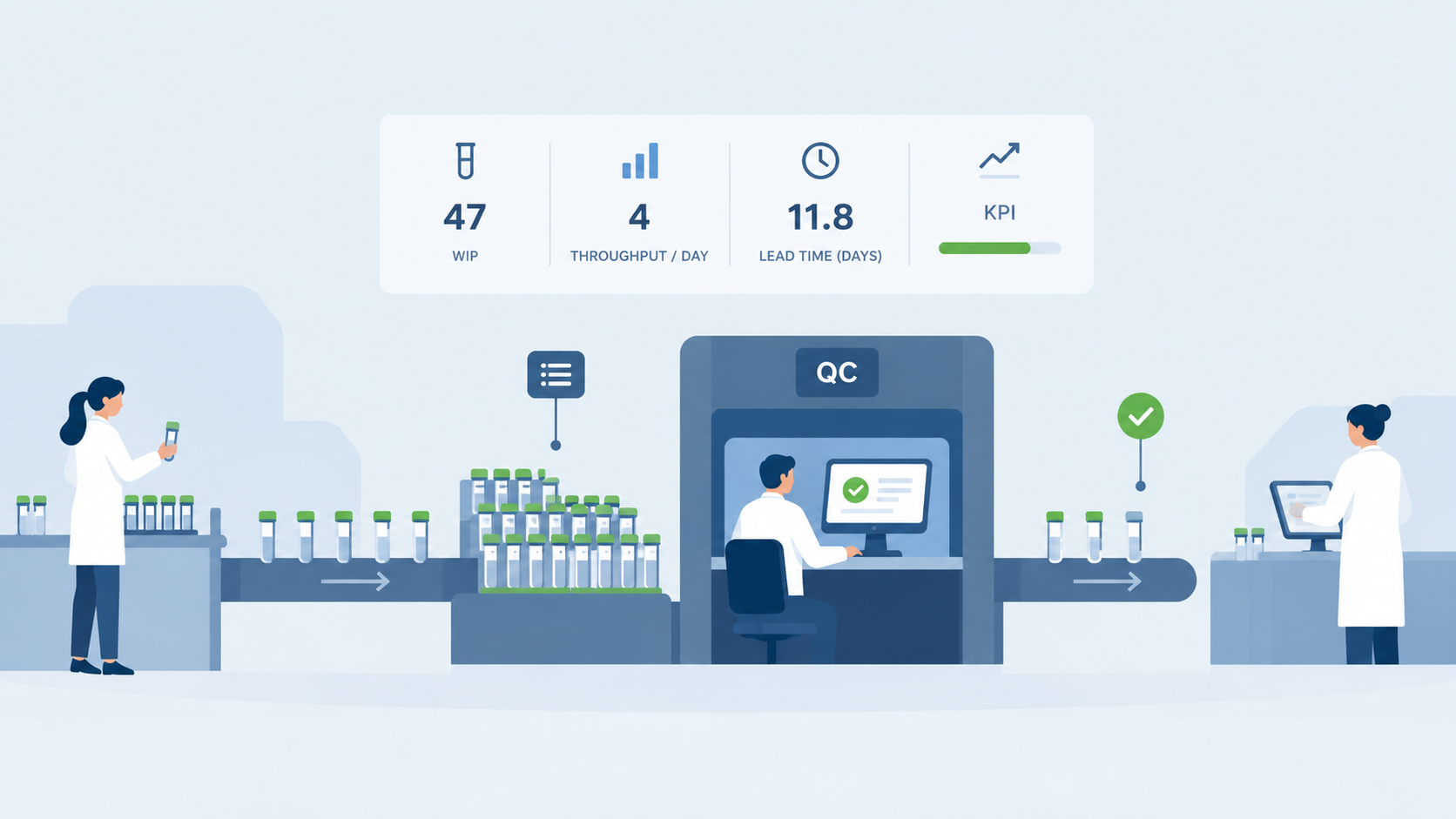
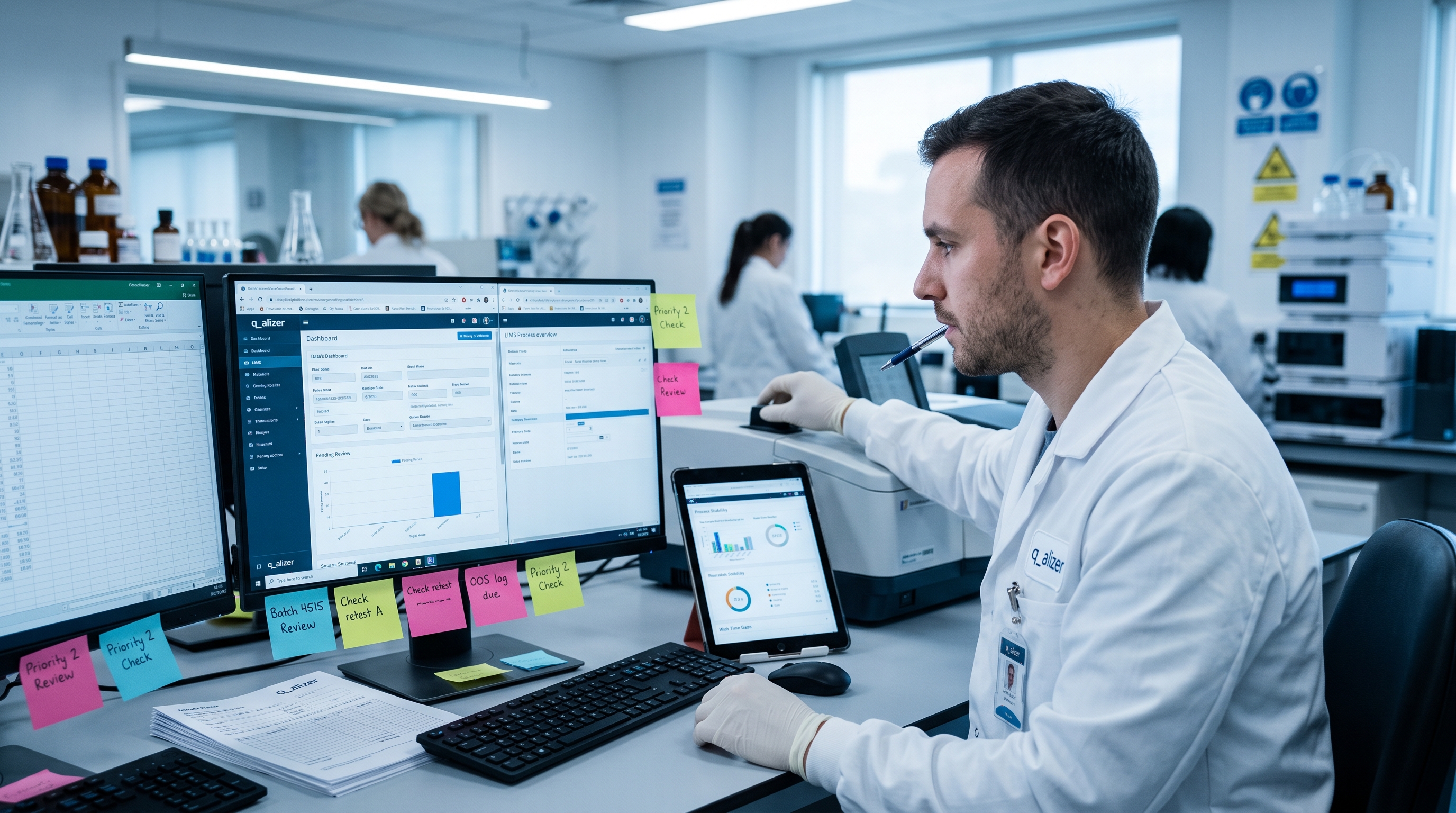
Insight Agents continuously track task progression and cycle times, flagging when work hasn’t started within a reasonable window so leaders can coach or reallocate resources before crunch time hits, not after. Cockpits give a live view of workflows, capacity, and work in progress, which nudges teams to start earlier and exposes recurring patterns of late starts for proper root cause analysis. Data Channels turn behavioral data into a feedback loop: teams see the actual cost of delay, in delivery reliability, in stress, in rework, and can adjust before the pattern repeats itself.
Student Syndrome is a systemic blind spot, not a character flaw, and the fix is insight and transparency, not willpower.