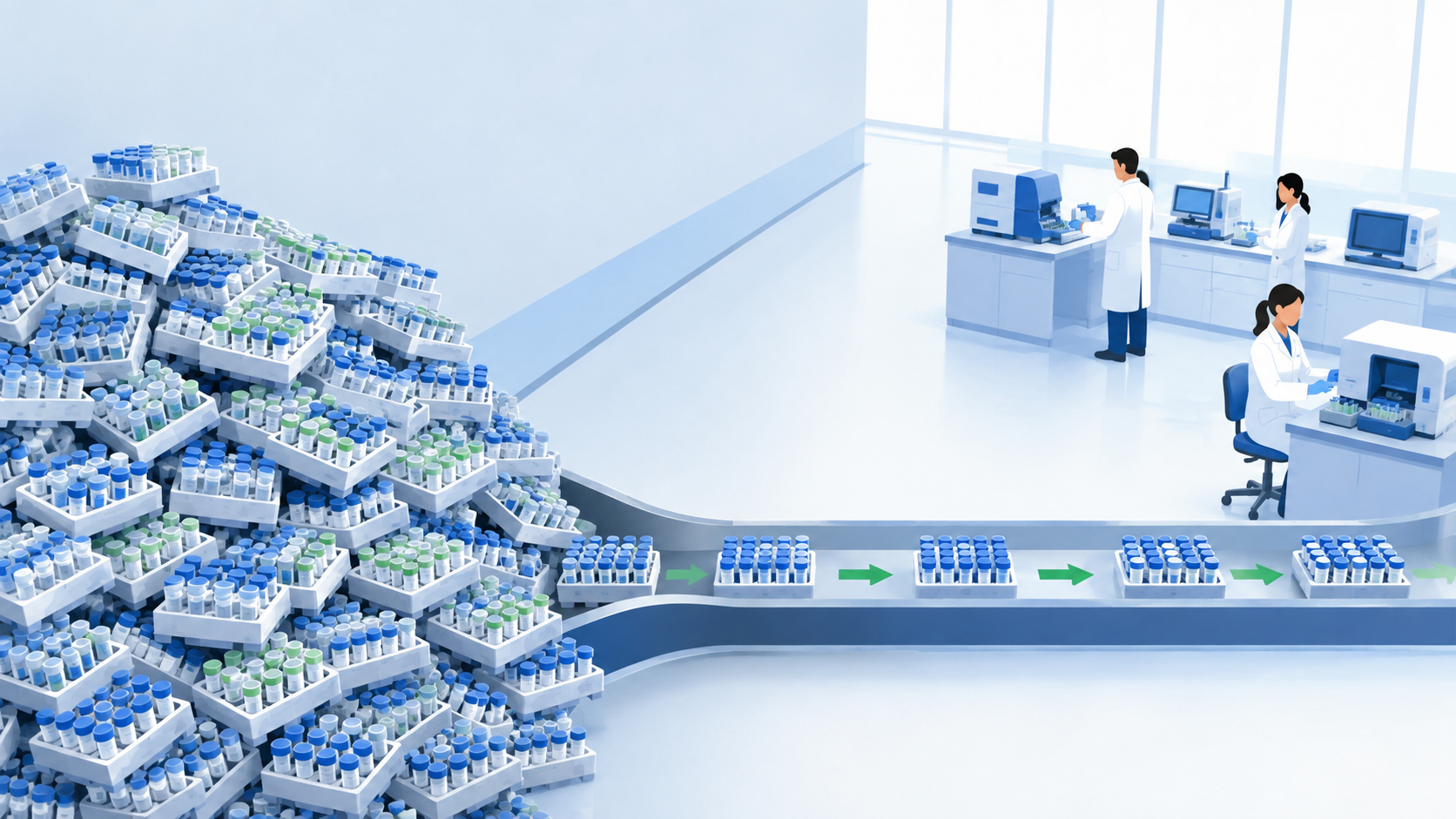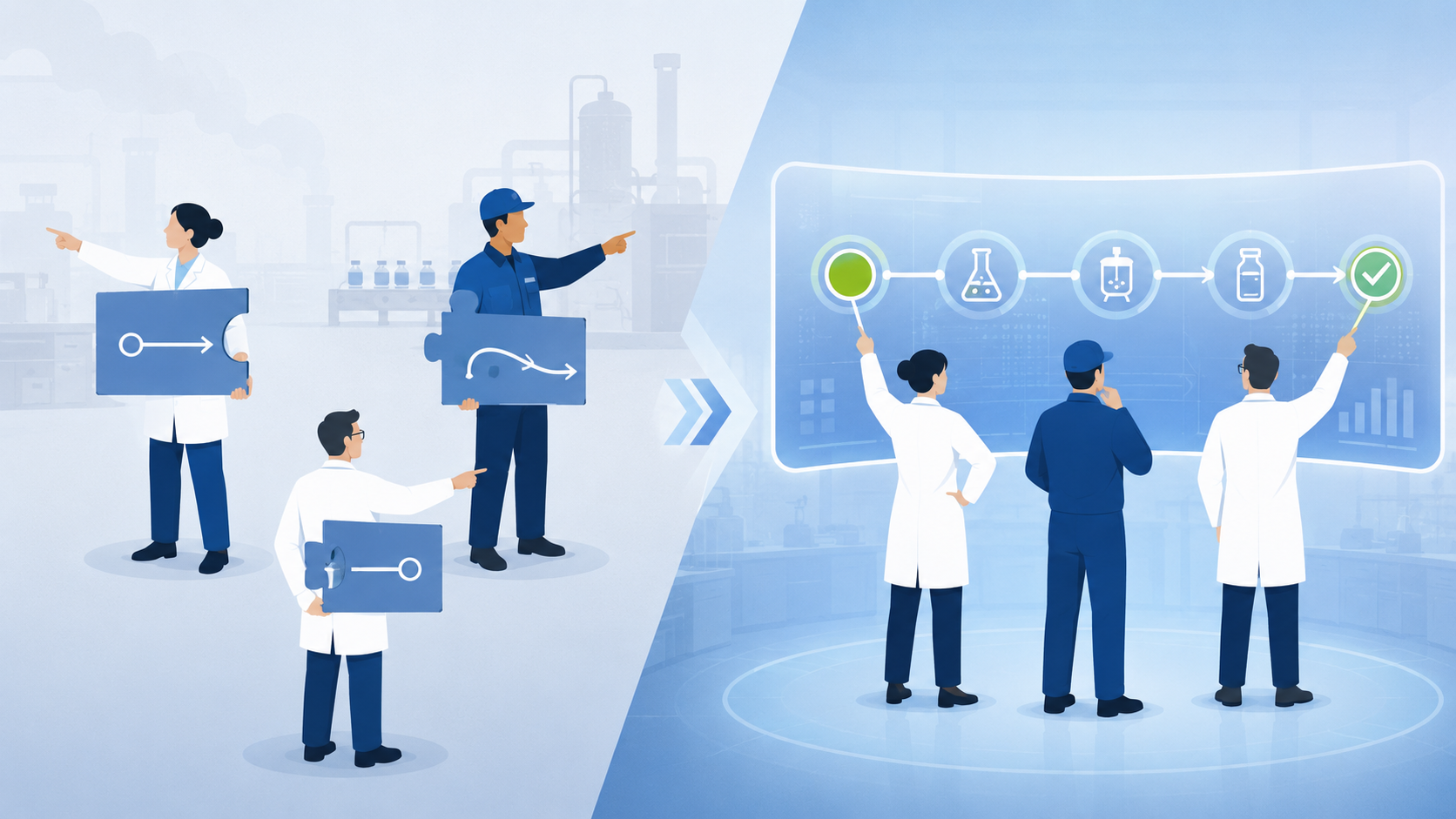
Updates used to mean improvement. In many labs and quality organizations, they now mean interruption. A system decides to update right when a batch needs approval or a deviation needs closing, without warning and without context.
In QC and QA, that isn’t an inconvenience. It’s operational risk. Most systems update when they decide, not when the team is ready, and the fallout is predictable: interfaces change without notice, click paths and routines break, cycle times stretch, and new error sources appear with old root causes. QC and QA lose rhythm not because the process fails, but because the software underneath it does.
Why This Matters More in Pharma
Uncontrolled system changes ripple straight into release timelines, deviation rates, audit findings, operator confidence, training demand, and reproducibility. In a GMP environment, stability isn’t a nice-to-have. It’s a requirement. Technology is supposed to support flow, not interrupt it.
SaaS Convenience Without SaaS Chaos
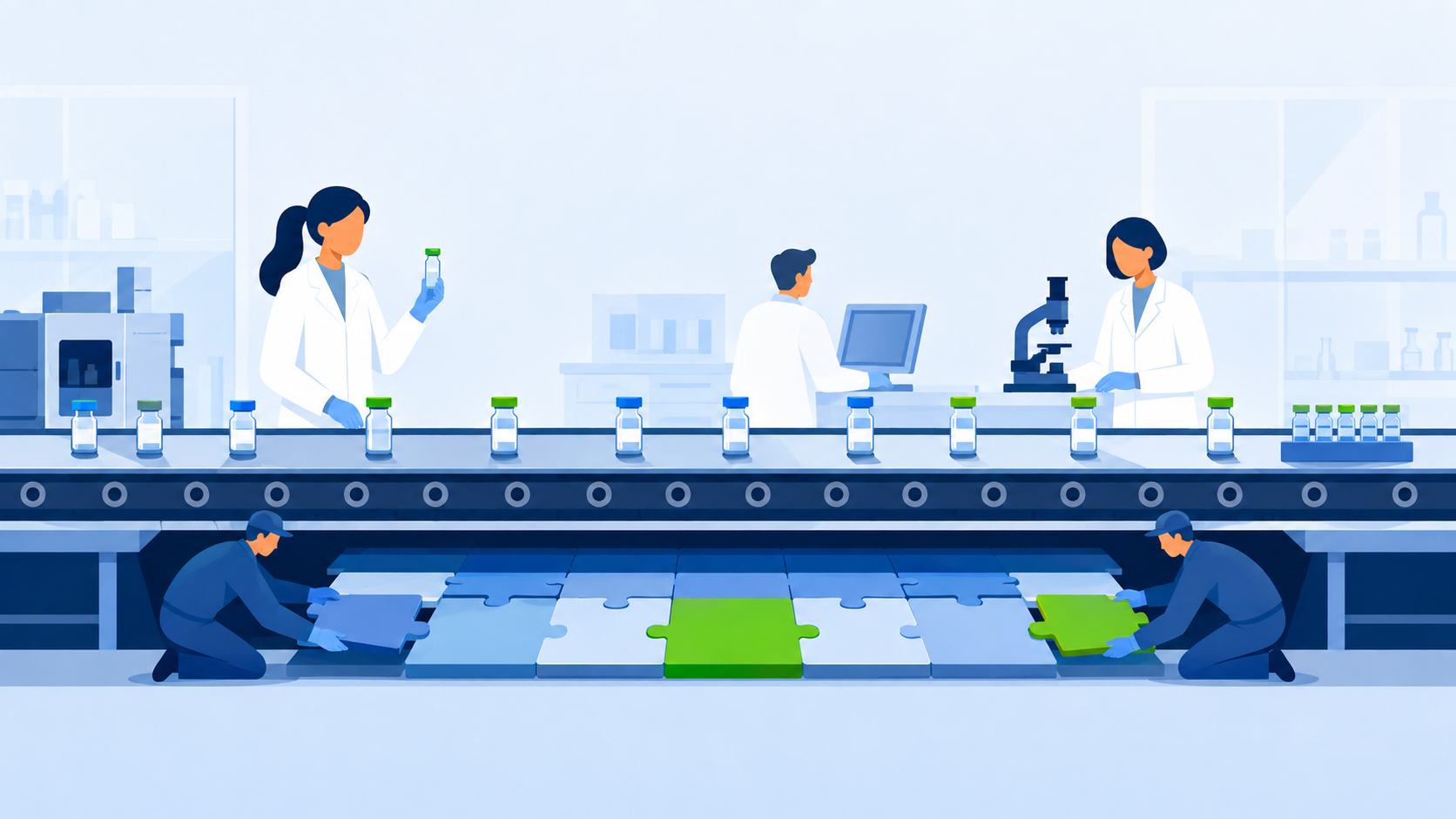
Many tools call themselves SaaS and still push untested UI changes straight into production. q_alizer does the opposite. Every update is fully tested, validated, and hardened before release, with no customer testing, no instability, no surprises. Updates run invisibly in the background, no forced reboots, no slowdowns, no shifting UI. The process keeps running while q_alizer updates underneath it.
Only Meaningful Features Ship
Every change q_alizer ships has to earn its place: faster decisions, less workload, clearer data flow, stronger compliance. No cosmetic redesigns, no feature inflation, no UI experiments for their own sake. If a change doesn’t improve flow, it doesn’t ship. Every release is announced, documented, risk-assessed, and audit-ready, so nothing arrives as a surprise and no one has to go hunting for a button that moved overnight.
q_alizer evolves without destabilizing GMP operations, so QC and QA can focus on what actually matters: quality, data, decisions, flow.