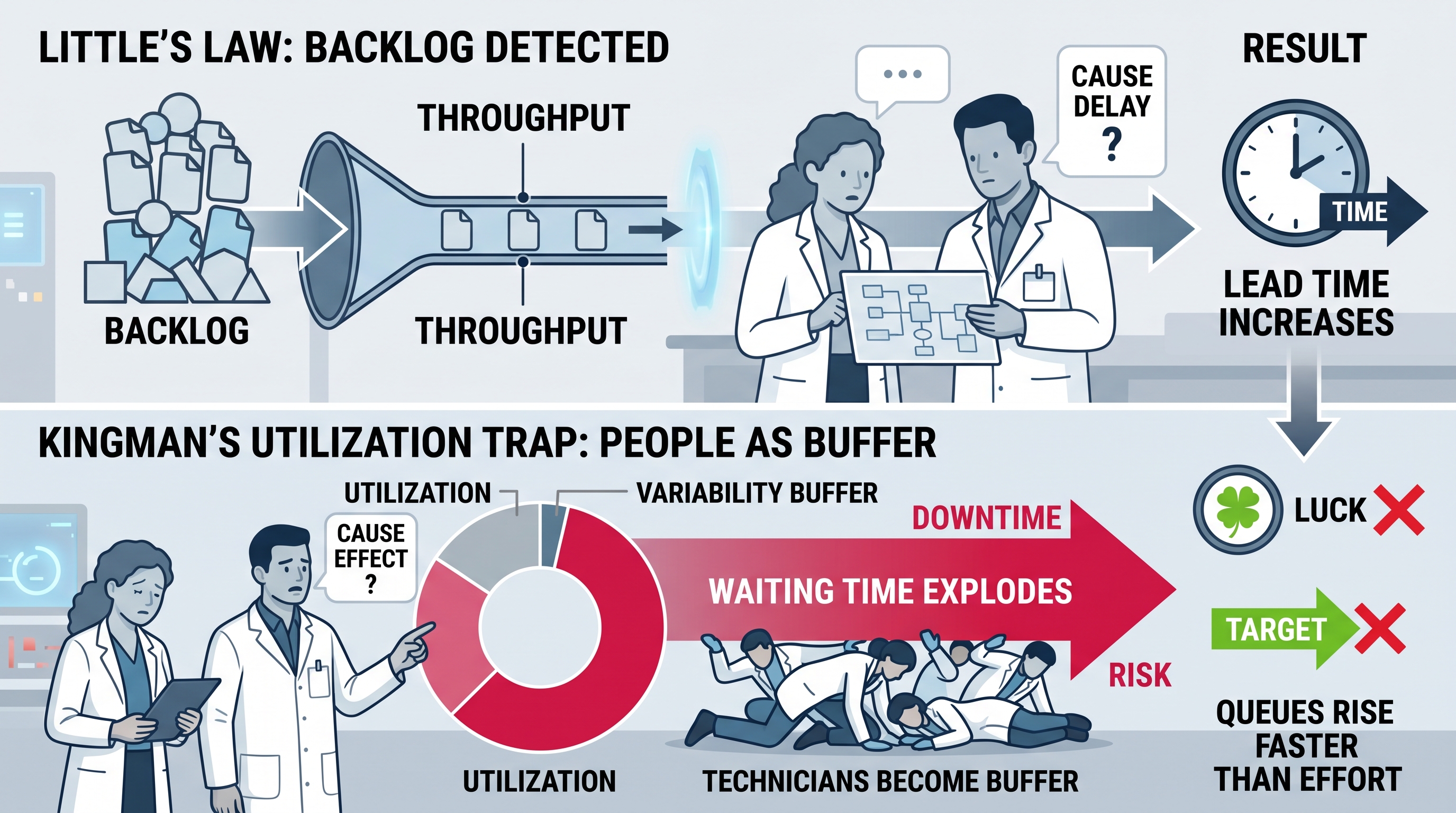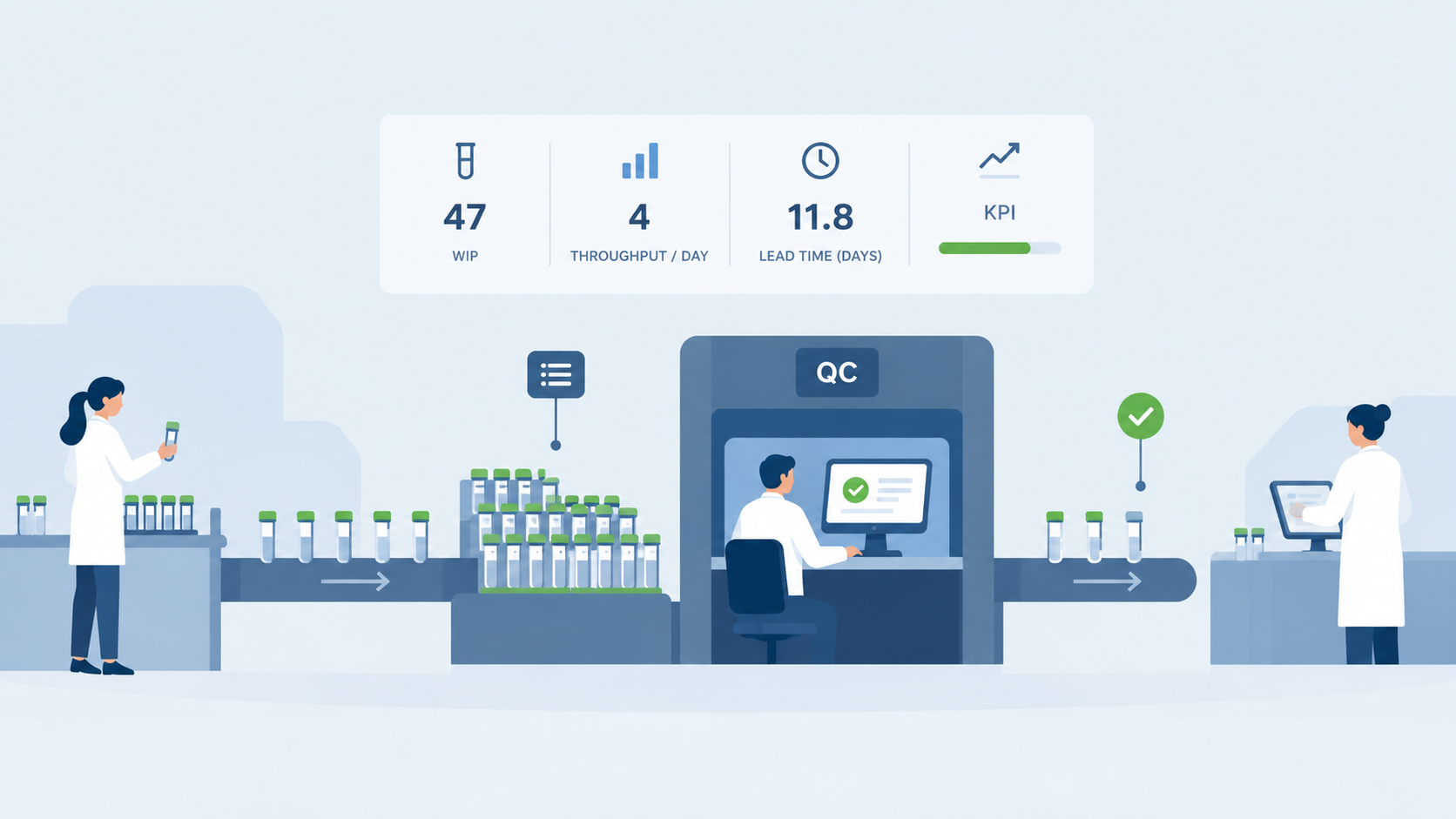

In Quality Assurance (QA) and Quality Control (QC), prevention is essential. Yet in everyday operations, small observations often go unaddressed: a minor deviation in a test protocol, an inconsistent LIMS entry, an ambiguous reviewer comment. These signals are frequently dismissed as “minor issues” and that’s precisely the problem.
Early detection of such micro-deviations is critical to maintaining robust quality processes. From a systems theory perspective, as sociologist Niklas Luhmann noted, even small disturbances can trigger broader structural changes, if they are recognized and analyzed.
Real-world studies confirm this. A University of Cambridge (2017) study on high-reliability systems found that in 63% of investigated production errors, early warning signs were documented but not acted upon, usually deemed “insignificant.”
q_alizer directly addresses this gap. The system enables identification, contextualization, and prioritization of quality-relevant signals, regardless of their initial perceived severity. By integrating data from LIMS, deviation logs, audit findings, and review notes, q_alizer makes low-level warning signs visible and actionable before they can escalate.
This is especially relevant in QC processes, where small inconsistencies can lead to re-analysis, compliance delays, or audit findings. According to IBM (2018), 45% of administrative process errors stem from seemingly trivial inconsistencies.
q_alizer captures and categorizes these deviations systematically. Pattern recognition and structured monitoring help QA/QC teams uncover underlying weak points, across sites, departments, or systems.
There’s also a human factor. When front-line staff repeatedly raise concerns that go unheard, psychological safety declines. The result: Silence replaces insight. Google’s Project Aristotle (2016) identified psychological safety as the most important factor for high-performing teams, especially in regulated environments.
q_alizer integrates informal quality input (comments, observations, suggestions) directly into the monitoring process. These signals become data, traceable, analyzable, and usable in trend detection and continuous improvement.
Conclusion for QA/QC Leaders
If you want to control quality proactively, not just retrospectively, then even “small things” must be taken seriously. q_alizer provides the structured visibility required for this: data-driven, process-aware, and fully integrable with your existing systems.
Want to build this kind of early-warning system in your own lab? Get the guideline on Data-Driven Lab Management.